
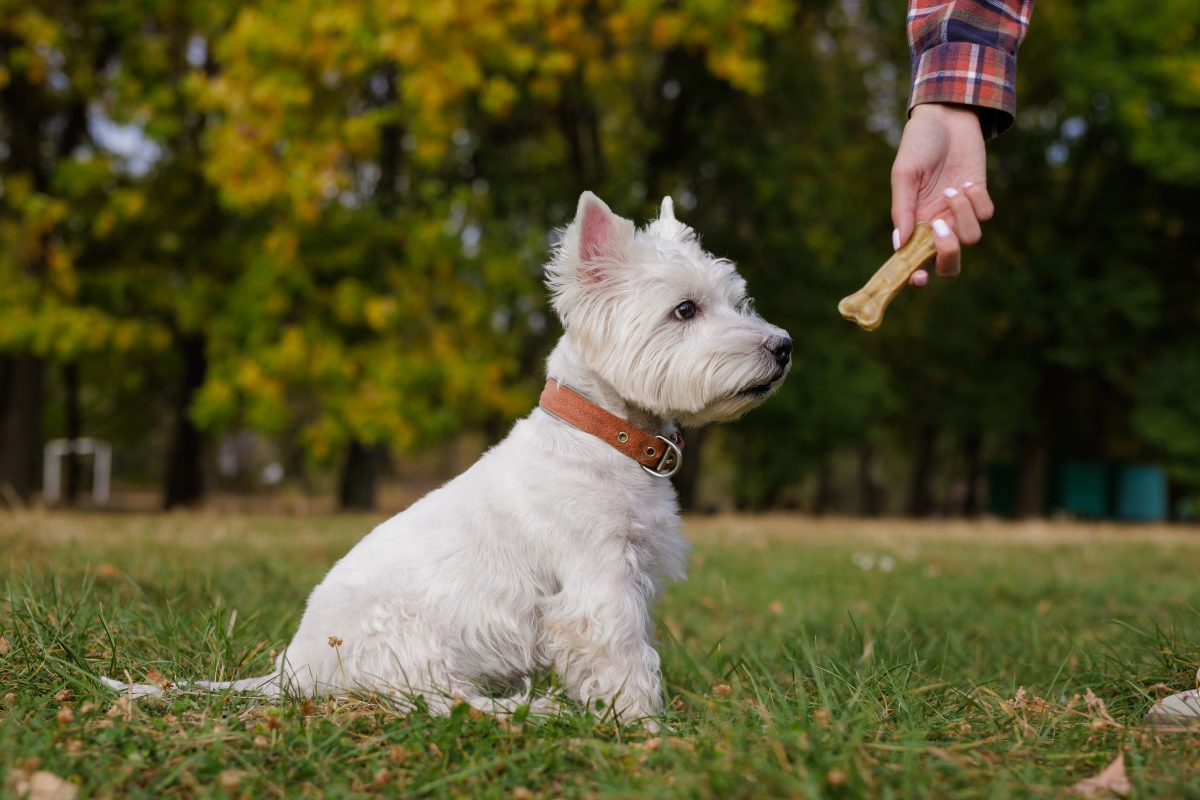
Treats are an indispensable part of dog training. They offer instant, tangible rewards that build trust and motivation in your pet without the need for force.
Many dogs are more inclined to repeat actions that bring positive outcomes. The treat becomes a signal that tells them they did something right. Over time, your pet can learn to associate listening and cooperating with something good happening.
The right dog treats in Dubai can make training enjoyable and productive instead of just a chore for both of you.
However, you must avoid certain mistakes to correctly use treats when training your pet. Misusing these edible rewards might confuse your dog or even encourage them to develop the wrong habits.
Below are the top mistakes to avoid when using treats to train your dog:
1. Choosing the wrong treats.
Whether you’re shopping at a supermarket, a brick-and-mortar pet store, or online, you’ll find dozens of dog treats that you think would be great for your pet. However, avoid buying the first or most affordable product you see.
If you do, you’ll end up wasting money on a treat your pup may not like, which won’t help your training sessions.
To avoid this mistake, consider your pet’s favorite food flavors. If they like beef, consider getting beef sticks. If they have clean bowls, opt for chicken and liver treats when you feed them products containing these ingredients.
Also, buy several treats and give these to your pet to find out which ones they like the best. You can then stock up on the products they prefer when training them.
2. Buying low-quality treats.
Low-quality treats often have fillers, artificial flavors, or too much fat, which can upset your dog’s stomach and affect their health over time.
More importantly, poor-quality treats often do not taste good or have unappealing aromas, which can discourage your dogs from following your commands.
Training is all about positive reinforcement, and if the reward isn’t exciting, your pup won't put in a lot of effort to learn.
Once you have narrowed down your choices for appealing treats, check the labels. Make sure they contain natural ingredients and are gluten- and grain-free. You can also consider freeze-dried products, which are healthier options.
Consider your dog’s breed, age, and size as well to ensure these treats contain the nutrients they need in the right amounts to help them stay healthy.
3. Taking too long to give your pet a treat.
Timing is crucial when you’re using treats to train your pup. You should give your dog their reward within seconds after they perform the expected behavior.
If you take too long to reward your pet, they may not associate it with the command and desirable action.
For instance, if you’re teaching your dog to sit but give them a treat when they’re already standing, they will think they are being rewarded for standing. Because of this, you’ll likely confuse them and prolong the training duration.
Most dogs have short attention spans, so if you wait too long to give them a treat, they can easily forget why they are getting one.
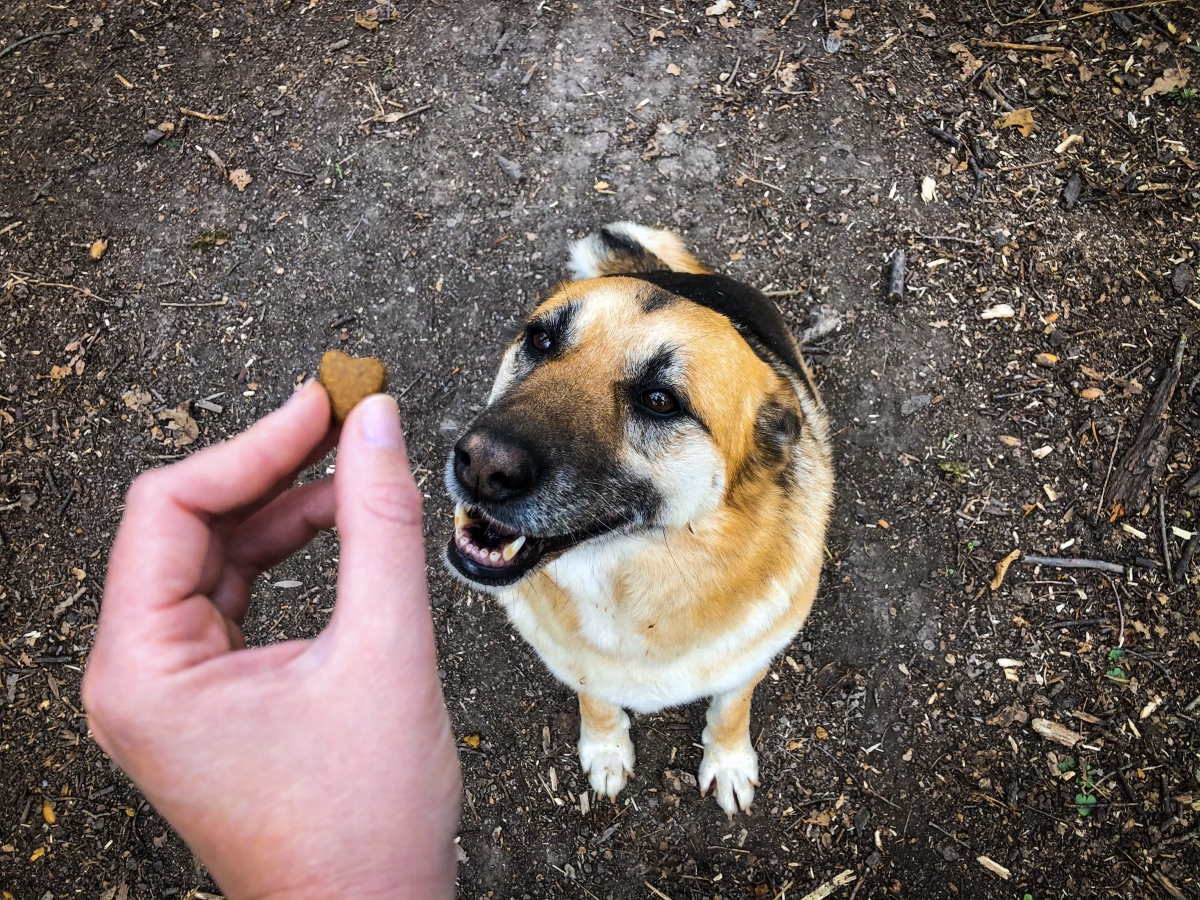
4. Using treats to reward bad behavior.
If your dog keeps running away from you during training and you use a treat to get them to come back to you, you're unwittingly reinforcing bad behavior. If you keep doing this, your pet will associate running off with getting a tasty reward, which is the opposite of what you want.
Reinforcing the wrong action, even by accident, can cause confusion. Your dog won’t learn the right commands if you keep doing this.
Dogs connect rewards with the behavior that happens right before, not minutes earlier. This is another reason why you should give your pup a treat immediately after they perform your command.
5. Giving your dog too many treats.
It can be easy to give your canine friend too many treats, even if you’re not training them. However, doing this often can cause your pet to become overweight, which can lead to other health issues.
Consult your dog’s veterinarian to find out how many treats you should give your pet every day. Generally, treats should make up only 10% of their daily diet. However, you may give them more or less based on the vet’s recommendation.
To avoid overfeeding your pet with treats, keep the training sessions short to reduce the frequency of rewarding them. Aim for five minutes each, divided throughout the day, but don’t go beyond 15 minutes daily.
6. Using only treats as rewards.
Although food is a strong motivator, using it as the only form of reward teaches your dog to respond only when snacks are involved. This can become a problem when you don’t have treats on hand or start weaning them off their tasty incentives.
Your pup needs to learn that good behavior earns a variety of positive outcomes, such as praise, toys, playtime, or even just your attention. As such, combine rewards to instill in your pet a more reliable response and keep training sessions interesting.
Combining different rewards can also prevent your dog from becoming treat-dependent or ignoring you when nothing edible is offered. The goal is to create behavior they consistently perform, not only when you’re holding a snack.
7. Creating the Right Environment for Training Your Dog
Just as choosing the right treats is important for effective training, having the right living space plays a significant role in your pet's overall well-being and development.
Whether you're settling into a spacious villa or looking for an apartment for rent in Abu Dhabi, it's essential to choose a home where your dog can feel comfortable and secure. A peaceful environment with enough space to move around will make training more efficient and enjoyable for both of you.
If you're in search of the perfect place to call home in Abu Dhabi, consider factors such as proximity to pet-friendly parks and outdoor areas, which can enhance your dog's training experience.
By avoiding these mistakes, you can avoid wasting money on treats, achieve your training goals, and have more fun bonding with your canine friend.
About the Author
Eloisa Mangilinan is a full-time content writer at SEO Sherpa – Global Best Large SEO Agency Winner, with over 13 years of experience in digital marketing roles, including link prospecting and outreach management. Today, she produces top-notch content across various niches, from pet care and health to lifestyle and home improvement, for blogs and client websites.
